Why We Are Different
At The Native School, we are often asked what makes us different from other outdoor or nature-based programs. While learning outdoors is an important part of our identity, it is not the whole story. What truly sets us apart is how and why we teach — and the intentional philosophy that guides every decision we make, including our approach to academics.
We use a flexible, emergent curriculum framework that follows student interests while intentionally embedding California State Standards and developmental milestones in age-appropriate ways. Learning is responsive, but it is never random. Teachers thoughtfully observe, document, and plan experiences that ensure children are growing academically, socially, and emotionally.
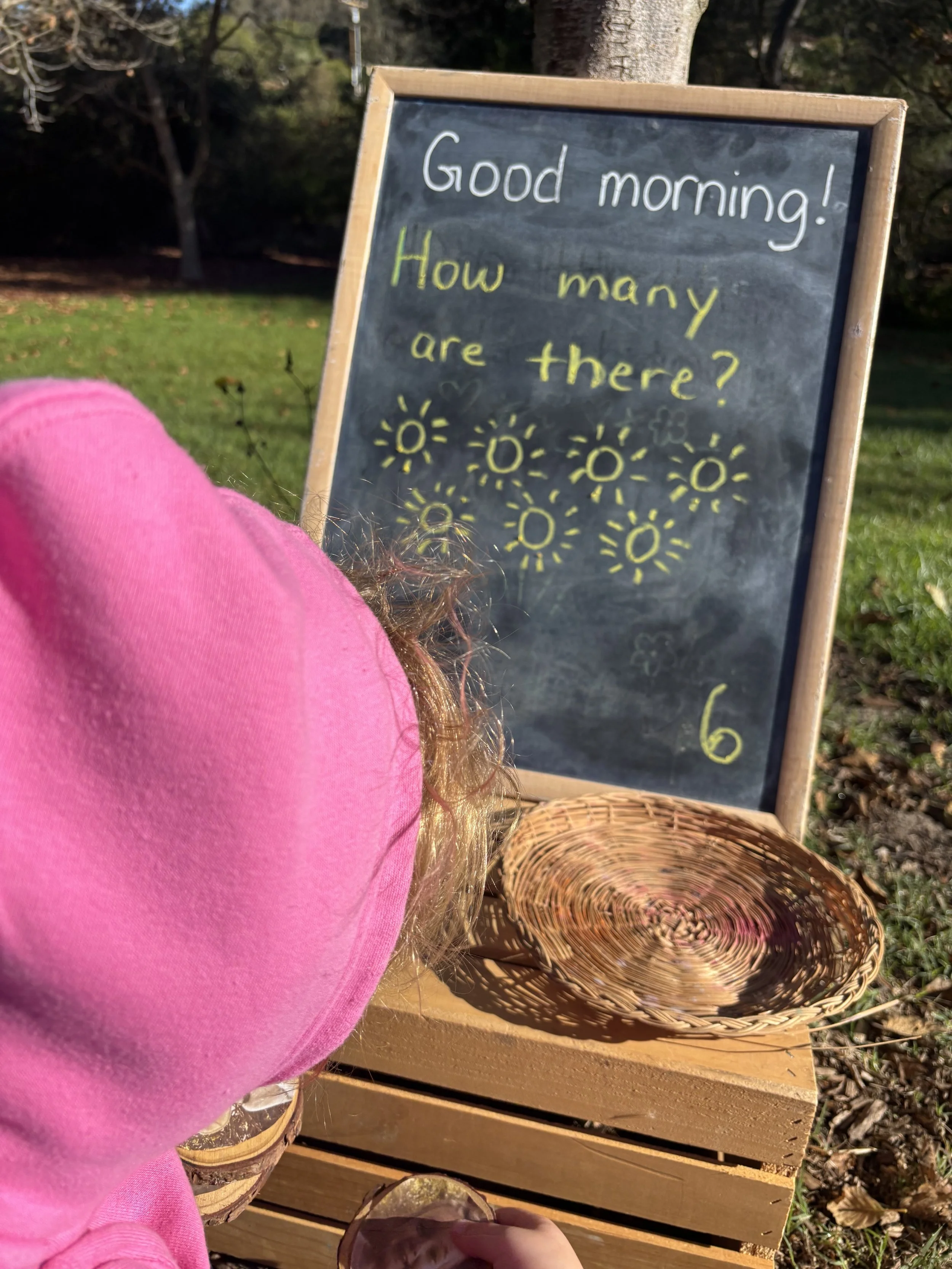
Although our classrooms extend into forests, fields, and trails, we provide robust, research-informed academics. Literacy, numeracy, and critical thinking are integrated into daily experiences through project work, narration, documentation, and hands-on exploration. Children read, write, problem-solve, and reason — not through worksheets, but through meaningful, real-world contexts that deepen understanding and retention.
We believe documentation matters - not to label children, but to support them. By tracking learning over time, our team remains accountable, reflective, and responsive, ensuring no child’s needs go unseen. Ongoing data collection provides insight into each child’s developmental trajectory, helping us recognize emerging strengths, address gaps, and plan meaningful interventions when appropriate.
Nature acts as the third teacher, offering rich opportunities to apply academic skills in authentic ways. Measuring growth in the garden, mapping trails, recording observations, and storytelling inspired by place allow children to meet academic goals while developing curiosity, confidence, and a love of learning.
Nature Is Not a Backdrop — It Is a Teacher
Many programs use outdoor space as an alternative classroom. At The Native School, nature is considered the third teacher, alongside children and educators. This belief comes directly from the Reggio Emilia approach and is reflected in how we design learning experiences.
Children are not simply playing outside; they are:
Observing patterns and changes
Building theories about the world
Returning to questions over time
Learning to care for the land they know deeply
Nature shapes our curriculum, rather than just hosting it.
We Are Rooted in Educational Philosophy, Not Trends
Our program is grounded in well-established approaches including:
Reggio Emilia, with its focus on inquiry, documentation, and collaboration
Charlotte Mason, emphasizing narration, observation, and meaningful knowledge
Developmental research, supporting play, movement, and child-led learning
Rather than following quick-fix models or packaged curricula, we thoughtfully design experiences that grow with the children.
Projects With Purpose
Project-based learning is central to our work. Children engage in long-term investigations inspired by real questions and real places — often in partnership with our local park and community.
These projects:
Build deep understanding over time
Integrate literacy, math, science, and social learning
Teach children that their ideas can impact the world
This is learning that feels meaningful because it is meaningful.
Literacy Through Experience, Not Worksheets
At The Native School, literacy grows from lived experience. Children develop language by:
Narrating discoveries
Telling stories inspired by place
Recording observations through drawing and writing
Engaging in rich conversations
Reading and writing are connected to purpose and meaning, not isolated skills.
Social-Emotional Learning Is Embedded, Not Isolated
Rather than teaching SEL as a separate subject, we weave it into everyday experiences. Mixed-age collaboration, open-ended play, and shared projects naturally support:
Emotional regulation
Perspective-taking
Problem-solving
Conflict resolution
Children learn these skills because they need them, not because they are scripted.
Documentation as a Way of Listening
We document learning to understand children, not to evaluate them against rigid benchmarks. Through photos, observations, and children’s own words, we make learning visible and guide future experiences.
Documentation allows us to:
Reflect thoughtfully as educators
Share growth with families
Honor children’s thinking
It keeps the focus on the learner, not the product.
A Relationship-Centered Community
Above all, The Native School is built on relationships — between children, teachers, families, and the land itself. Learning happens best when children feel known, respected, and connected.
We believe education should be:
Thoughtful, not rushed
Deep, not performative
Rooted in research and relationship
We know that children thrive when they have meaningful relationships and a supportive community.
We are different because we refuse to choose between developmentally appropriate practice and academic rigor. At The Native School, children receive the strong academic foundation they need — grounded in research, responsive to their interests and actual development, and brought to life through meaningful experiences outdoors.