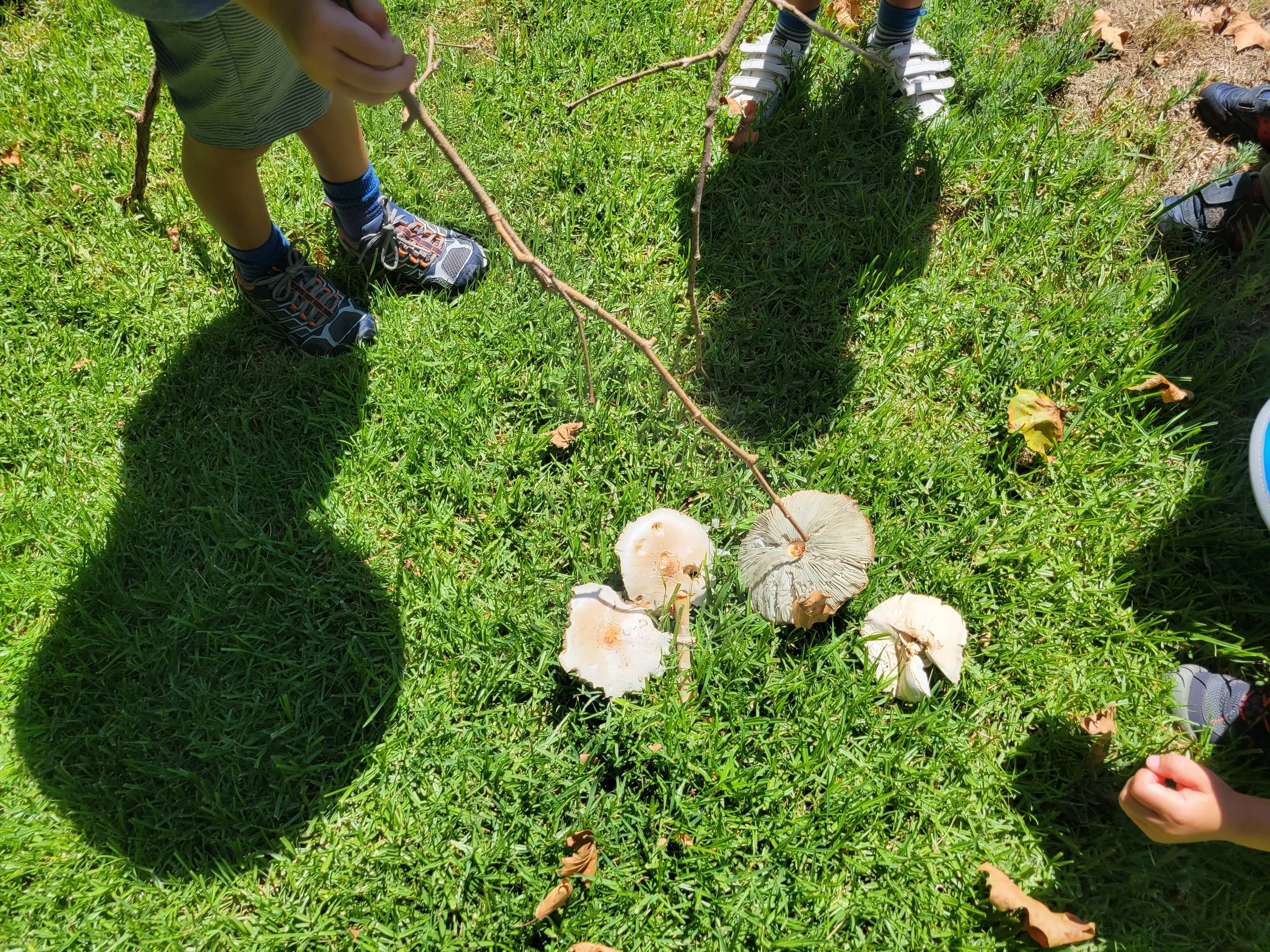
In our previous post in this series, we explored documentation as a way of making children’s learning visible - a practice rooted in listening, reflection, and respect for children’s thinking.
But the true power of documentation often reveals itself years later.
When children grow older, move into new schools, and step into wider worlds, documentation becomes something more than a classroom practice. It becomes memory. Identity. A thread that connects who they were, who they are, and who they are becoming.
To understand this more fully, we reached out to Native School alumni families - not to ask what children achieved, but to ask what they carried with them.
What follows are just two stories, but they speak to a much larger truth.
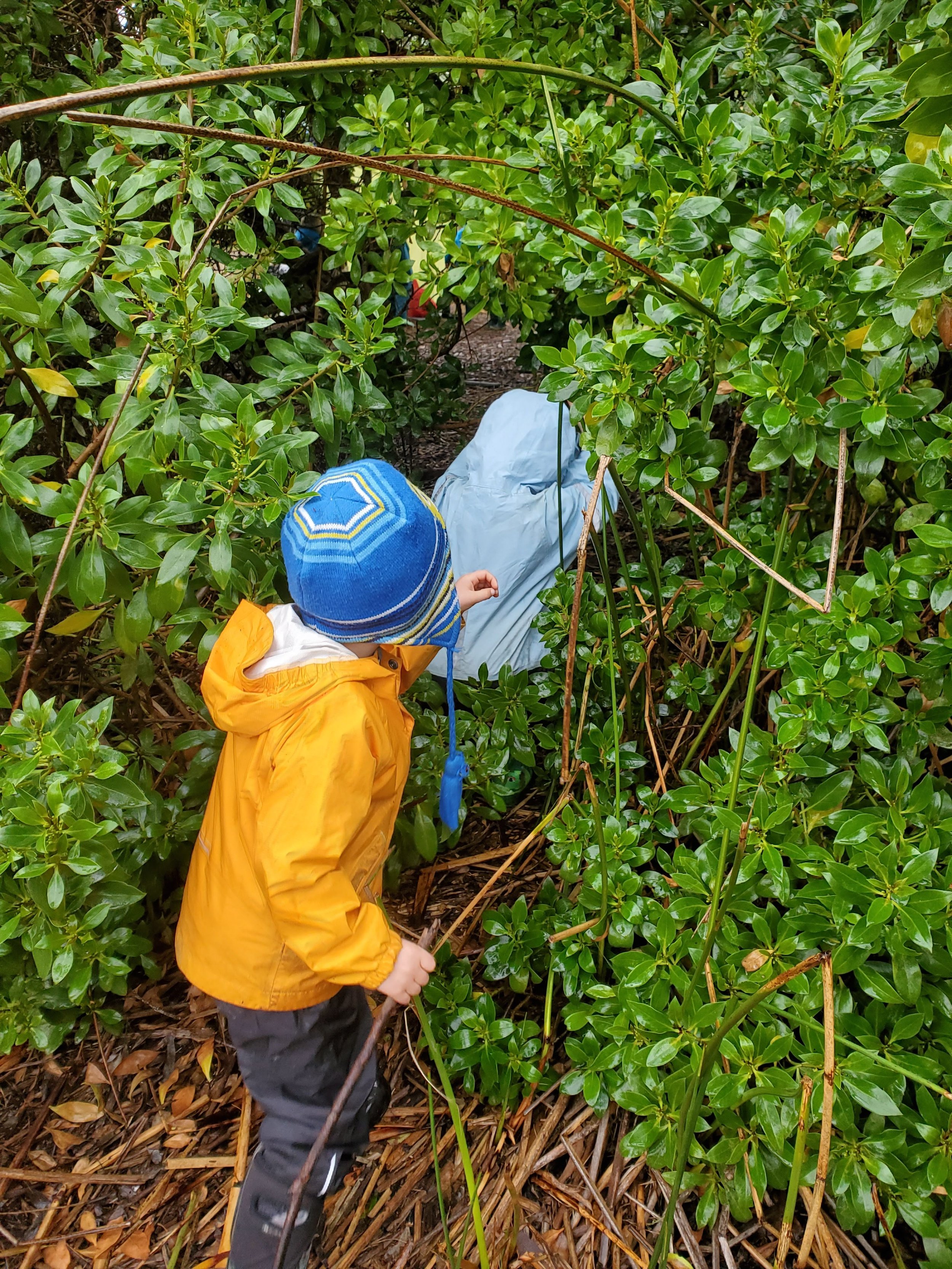
Learning That Continues Long After the Classroom
One alumna, Ida, attended The Native School for a single year in pre-kindergarten, along with several summer programs. She is now 11 years old and the practices she learned are still alive in her daily life.
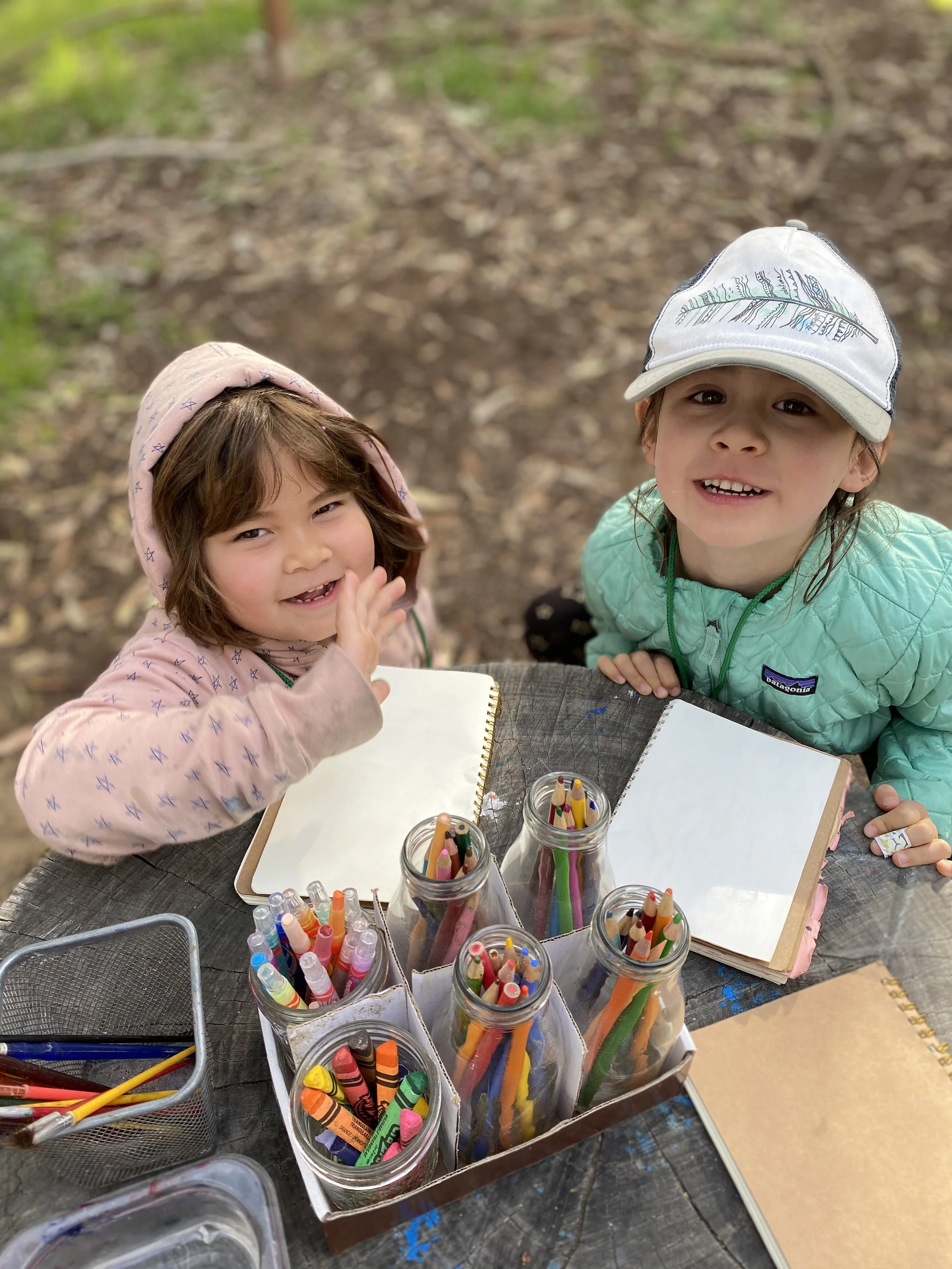
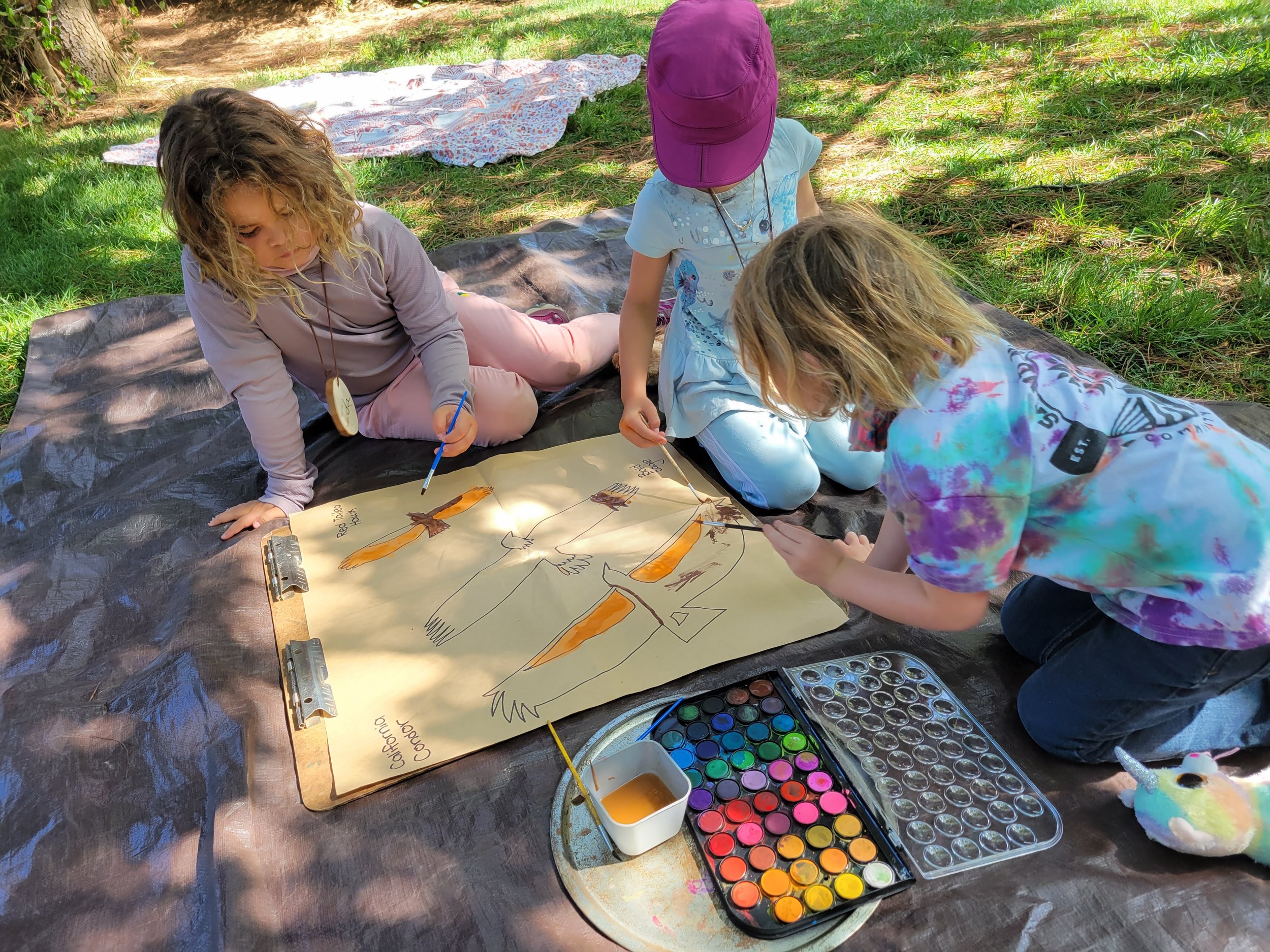
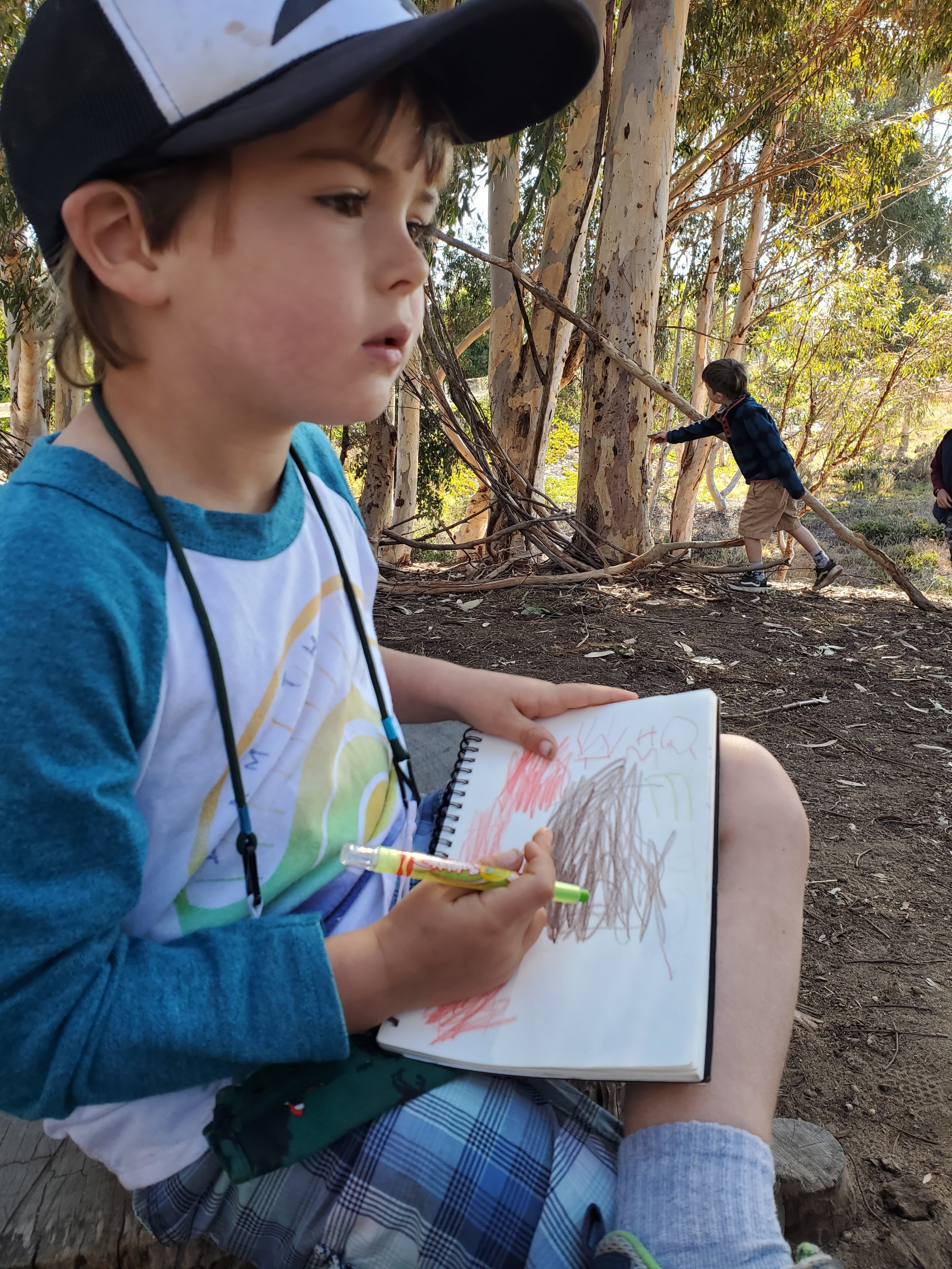
Her family shared that one of the strongest memories Ida carries is keeping a nature journal. To this day, they don’t leave the house without pen and paper. Ida is constantly drawing, observing, recording, and interpreting the world around her.
What began as documentation - slow looking, careful noticing, returning to ideas - became a way of being.
Her mother describes Ida as “the bridge” in their family: someone who connects experiences that are felt but difficult to articulate. Ida notices patterns beyond the obvious, sees relationships beyond the linear, and listens not just with her ears, but with her whole body.
This ability did not come from memorizing facts.
It grew from Ida’s own innate abilities and immersion in environments, both at home and at school, that encouraged stillness and learning how to pay attention.
Documentation, revisiting observations, returning to questions, and honoring multiple interpretations helped Ida hone the habit of reflective thinking. She learned early that understanding is layered, and that meaning emerges over time.
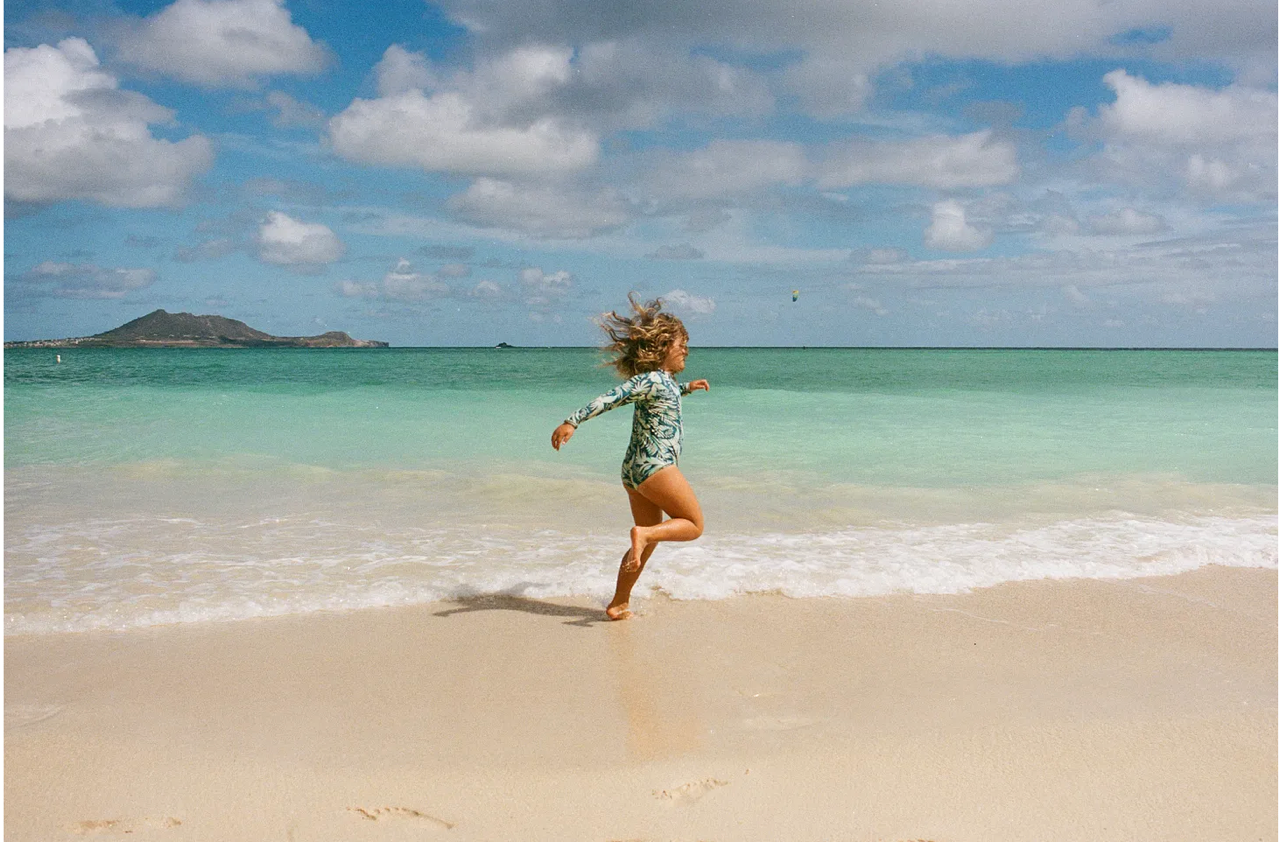
Now, as Ida prepares to begin middle school, her family continues to seek out experiences that nourish her senses: time near the ocean, creative expression, and encounters with the natural world that counterbalance and enrich daily life.
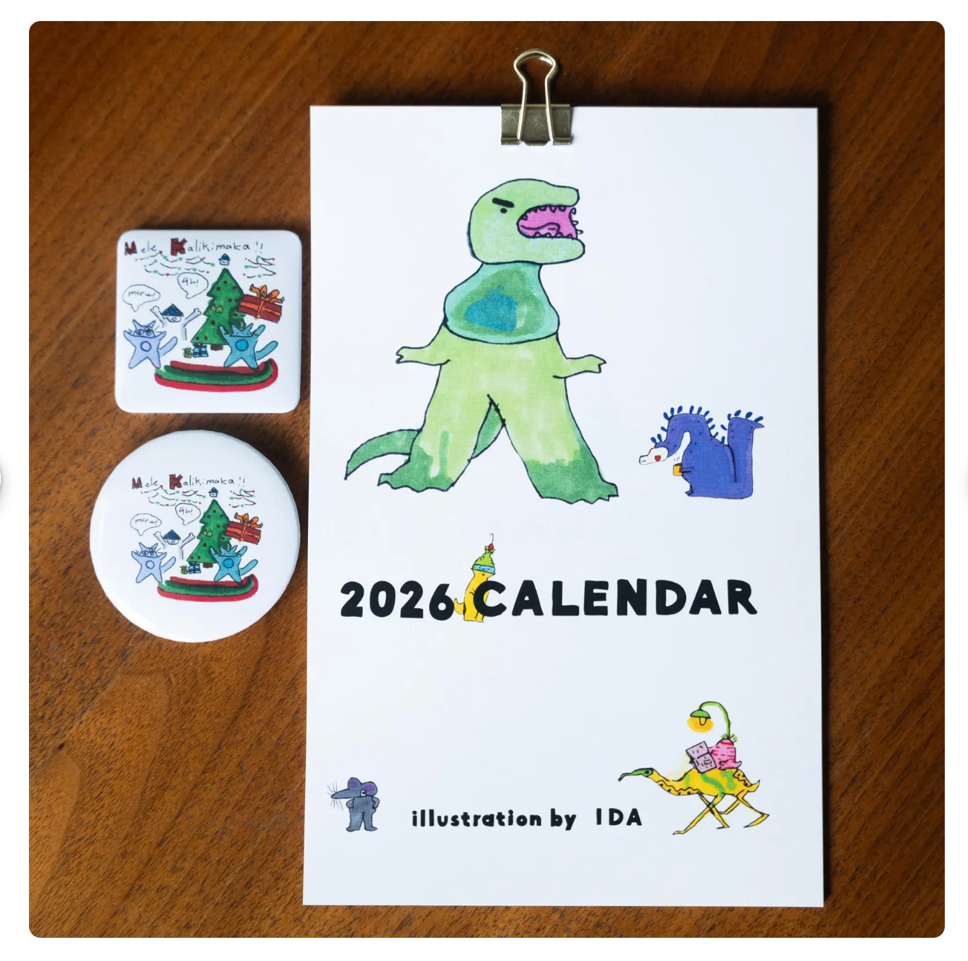
Ida is a swimmer, an artist, and the founder of her own small art business, Slow Cheetah, a space where imaginative creatures and rich visual storytelling invite others into her inner world. Through her art, documentation continues - not as an assignment, but as self-expression.
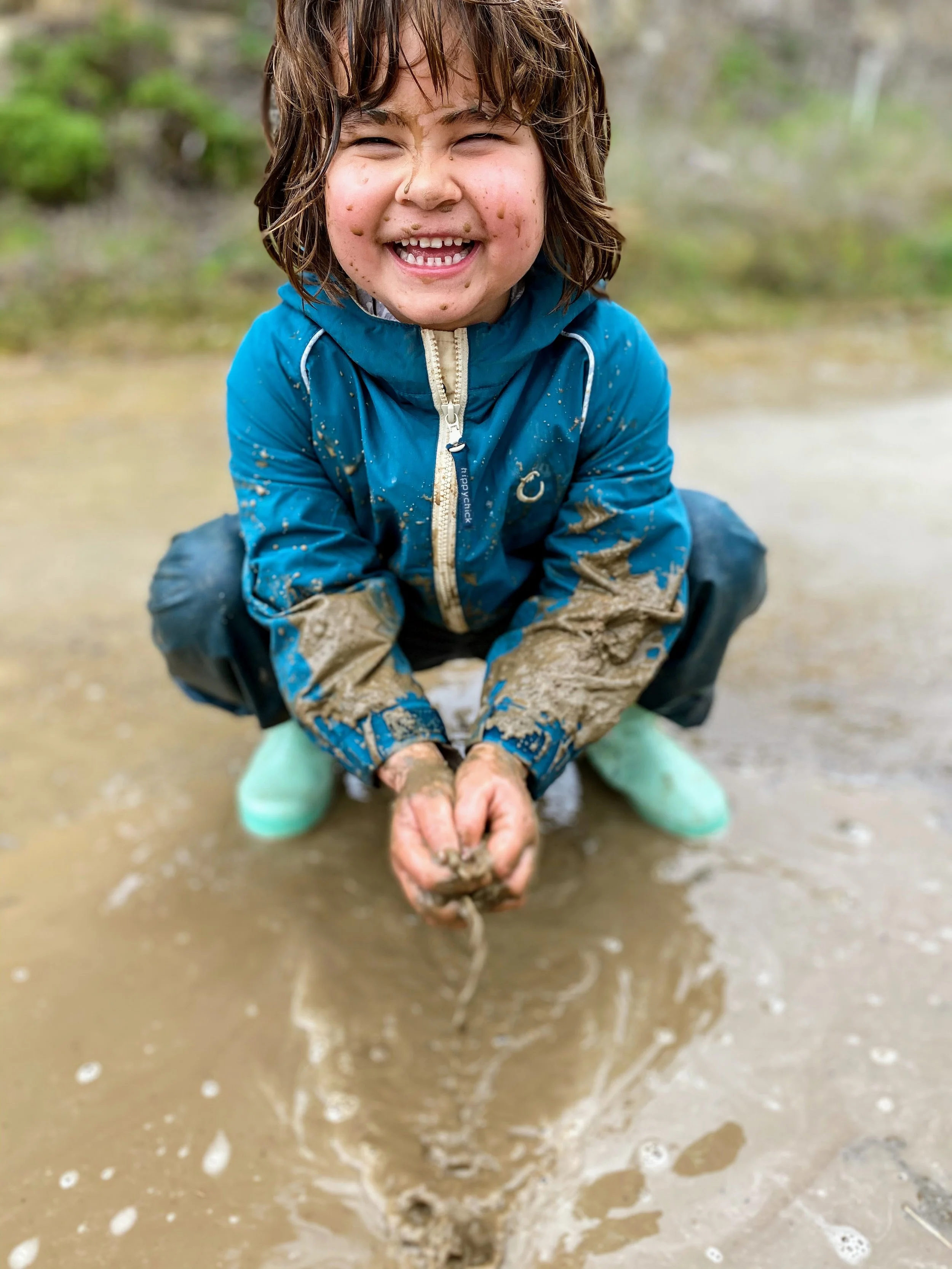
Her parent shared a lasting image: picking up a younger Ida from school one afternoon, covered in dirt, soaking wet, beaming, and carrying an authentic experience that still holds joy today.
Documentation as a Foundation for Confidence, Empathy, and Joy
Another alumni family shared reflections from their son, Arthur, who attended the Native School for three years, beginning as a 3-year-old preschooler and continuing through the Kindergarten program.
Today, he is a fourth grader in his third year of Spanish dual immersion, an avid reader, a violinist, and a competitive swimmer. Academically capable and creatively engaged, yes - but what stands out most to his current teachers is something else entirely.
They consistently note his consideration for others.
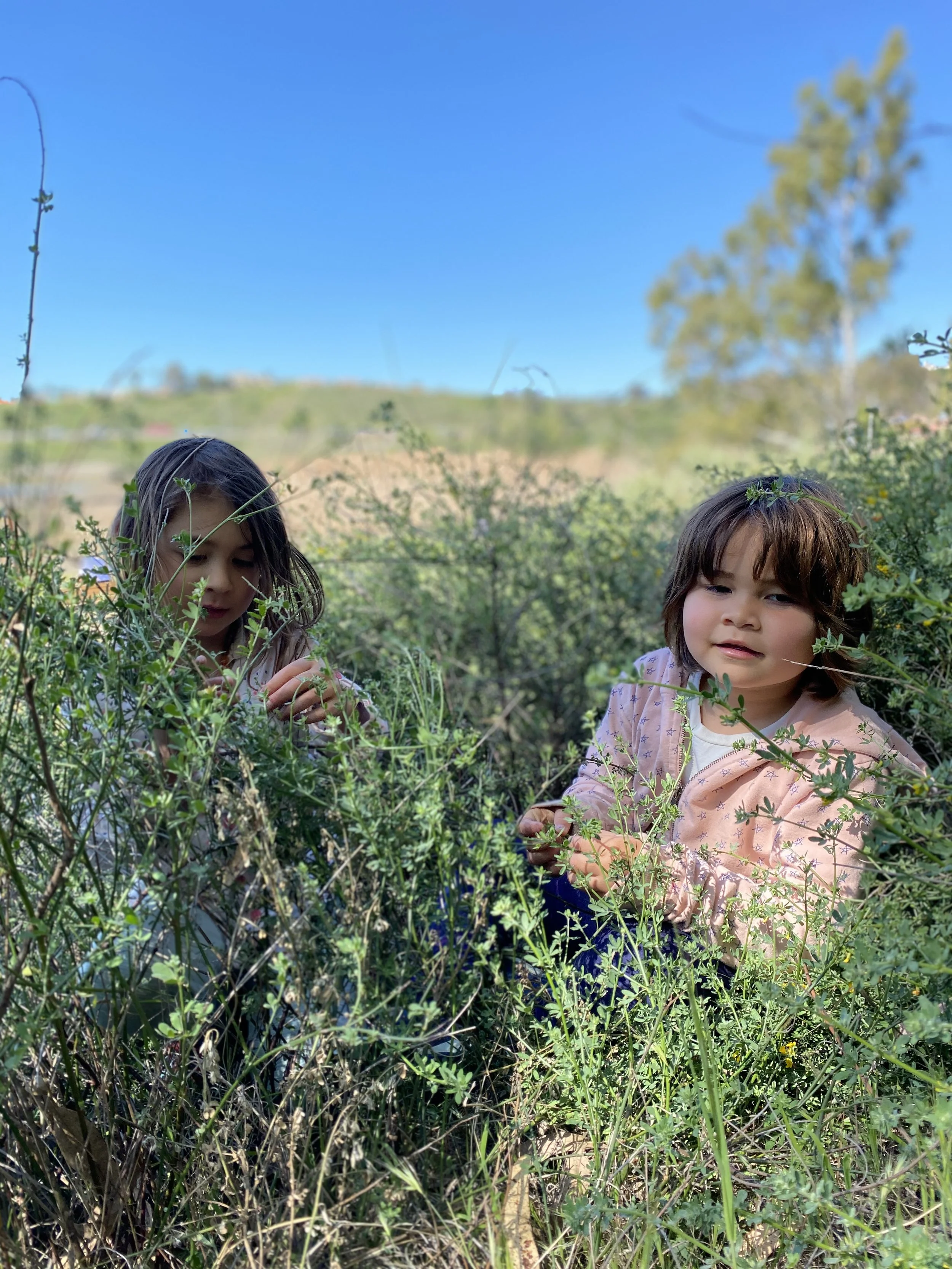
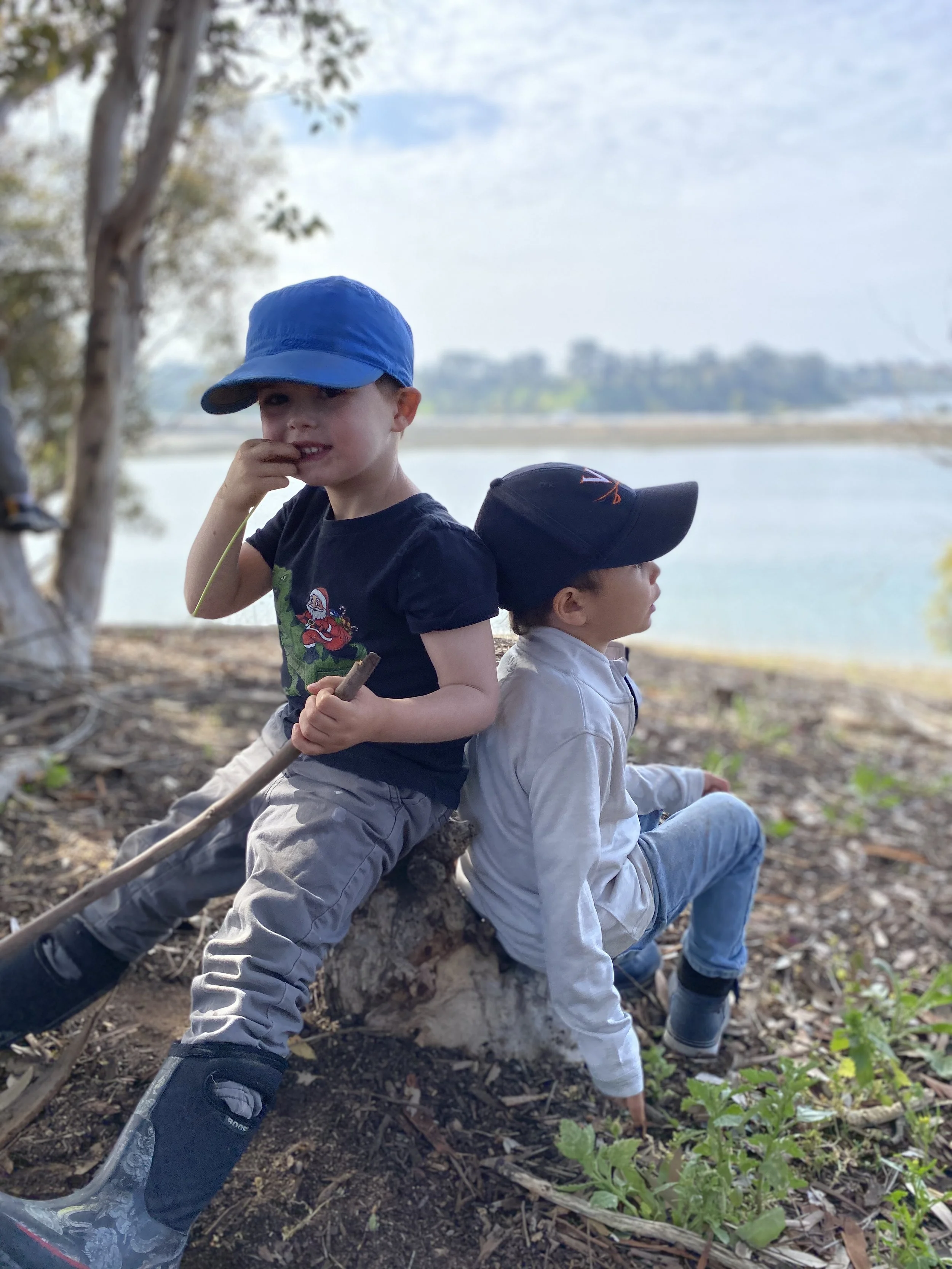
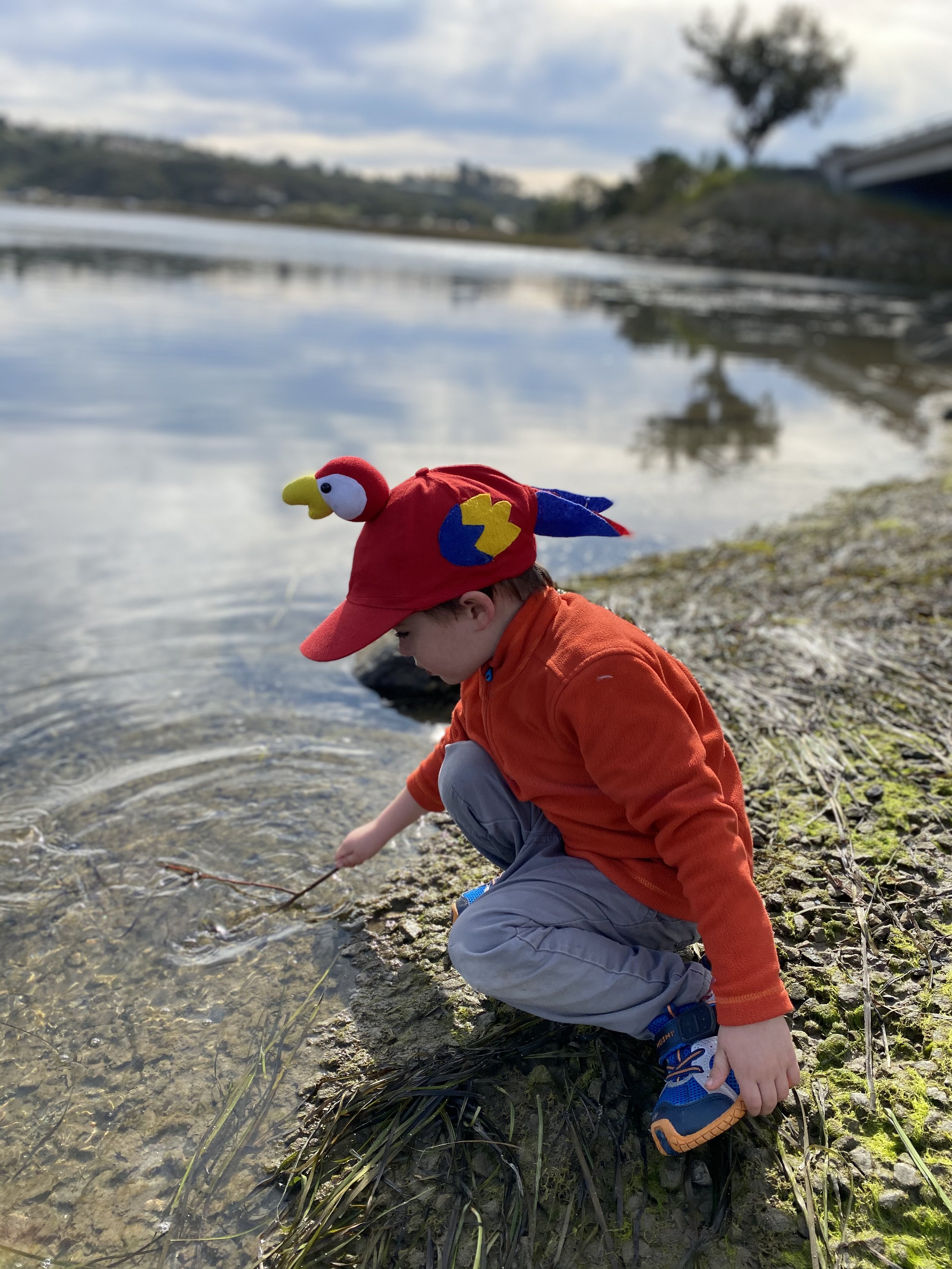
This capacity did not emerge by chance. Arthur was a kind and compassionate friend to others from the start, but being immersed in an environment that values the well-being of even the smallest things - the spiderlings in the sparkle of dew, the wood sorrel growing in the sun - helped him develop this trait. His teachers from that time can recall how Arthur would often take on the role of “Nature Protector,” venturing down the biggest hill holding the hand of a less steady friend and reminding us all - “don’t step on the seedlings!”
During his time at the Native School, documentation supported a culture where children’s voices were listened to, revisited, and respected, both individually and collectively. Through shared reflection, Arthur and the other children learned that their actions affected others, that collaboration mattered, and that community was something they helped build.
This family describes the outdoor classroom and kindness culture as central to their commitment to the school and why they stayed as long as possible. The natural environment supported sensory development, while documentation helped children slow down, reflect, and find meaning in shared experiences, including in spreading kindness.
Some of Arthur’s fondest memories from that time include:
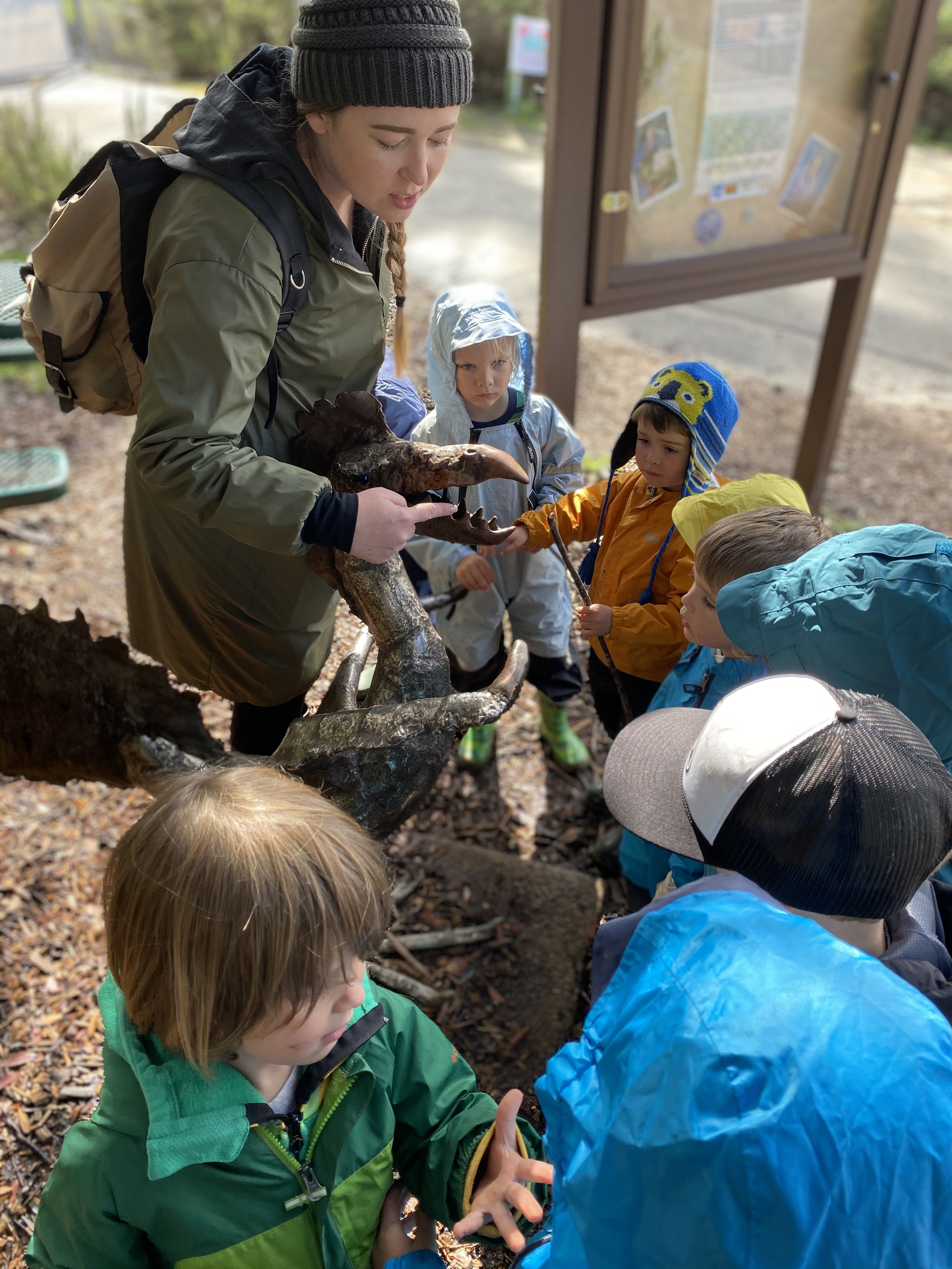
discovering different types of bird calls
becoming a confident hiker and runner
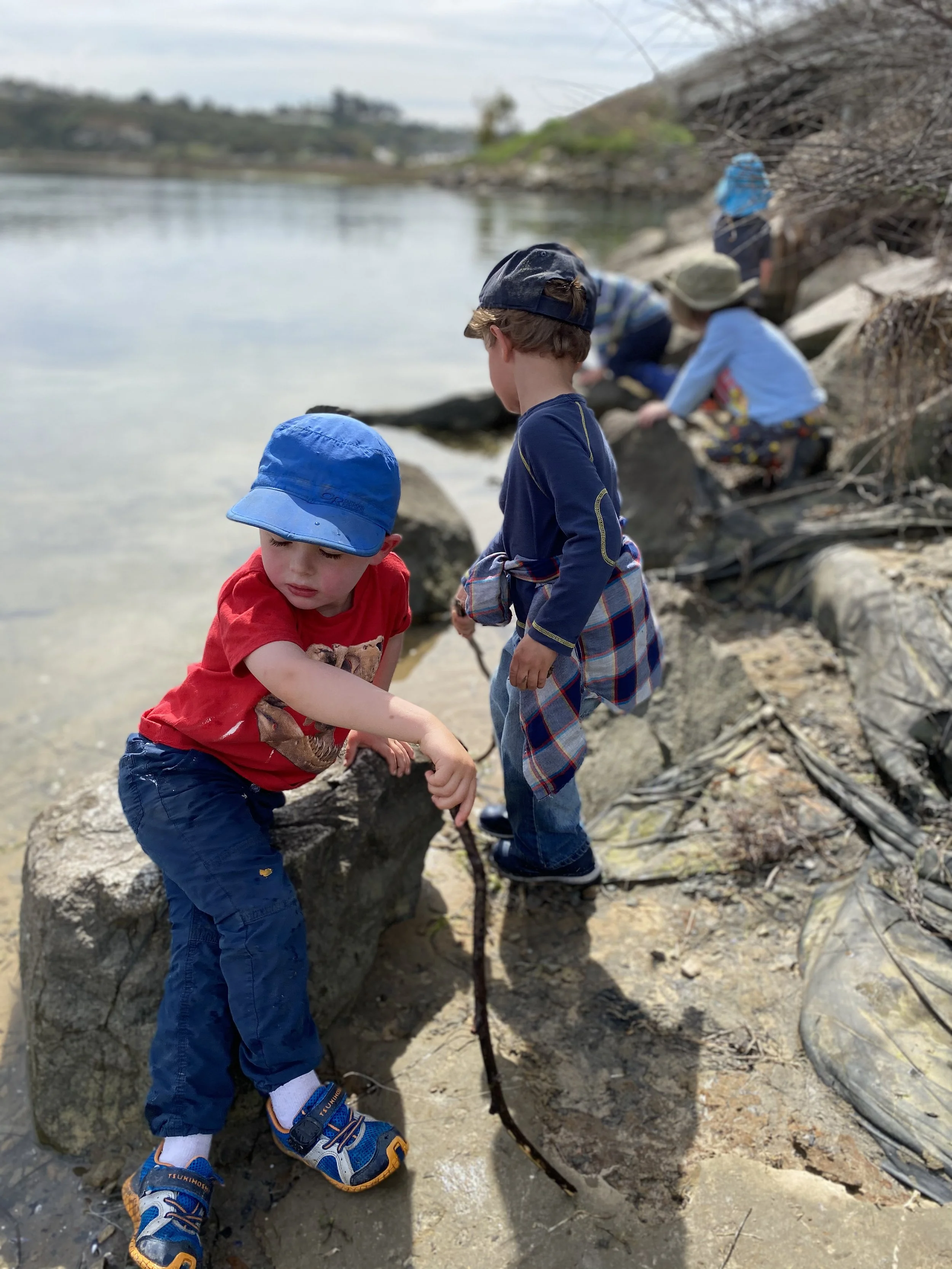
exploring lagoon trails
writing books with classmates
building friendships
and learning with a teacher who saw him
As he put it himself:
“I already loved the outdoors, but it made me love it even more.”
That love - documented, revisited, and celebrated - became part of who he is.
Why Documentation Matters Over Time
These stories remind us that documentation is not about archiving the past, it is about shaping the future. It’s about communicating meaning.
When children experience their thinking being recorded, revisited, and valued, they internalize powerful beliefs:
My ideas are worth remembering
Learning is something I participate in
Growth happens through reflection
I am capable of making meaning
Documentation supports children in developing:
metacognition
empathy
creativity
confidence
a strong sense of self
It teaches them how to look closely, think deeply, and return to experiences with curiosity rather than urgency.
Years later, those habits remain.
Holding the Story Together
At The Native School, documentation allows us to hold children’s stories with care - not just while they are with us, but long after they leave. It creates continuity, from muddy boots and nature journals to art studios and violin practice, and on, to so many new exciting horizons.
We are so grateful to our alumni families for sharing their stories - and for reminding us that meaningful learning never truly ends.
When we document learning, we don’t simply capture moments. We plant seeds. And sometimes, years later, we get the gift of seeing how those seeds have grown.